

|
|
|
 English
 Español
 Italiano
KEYNOTE SPEAKERS
| |
|
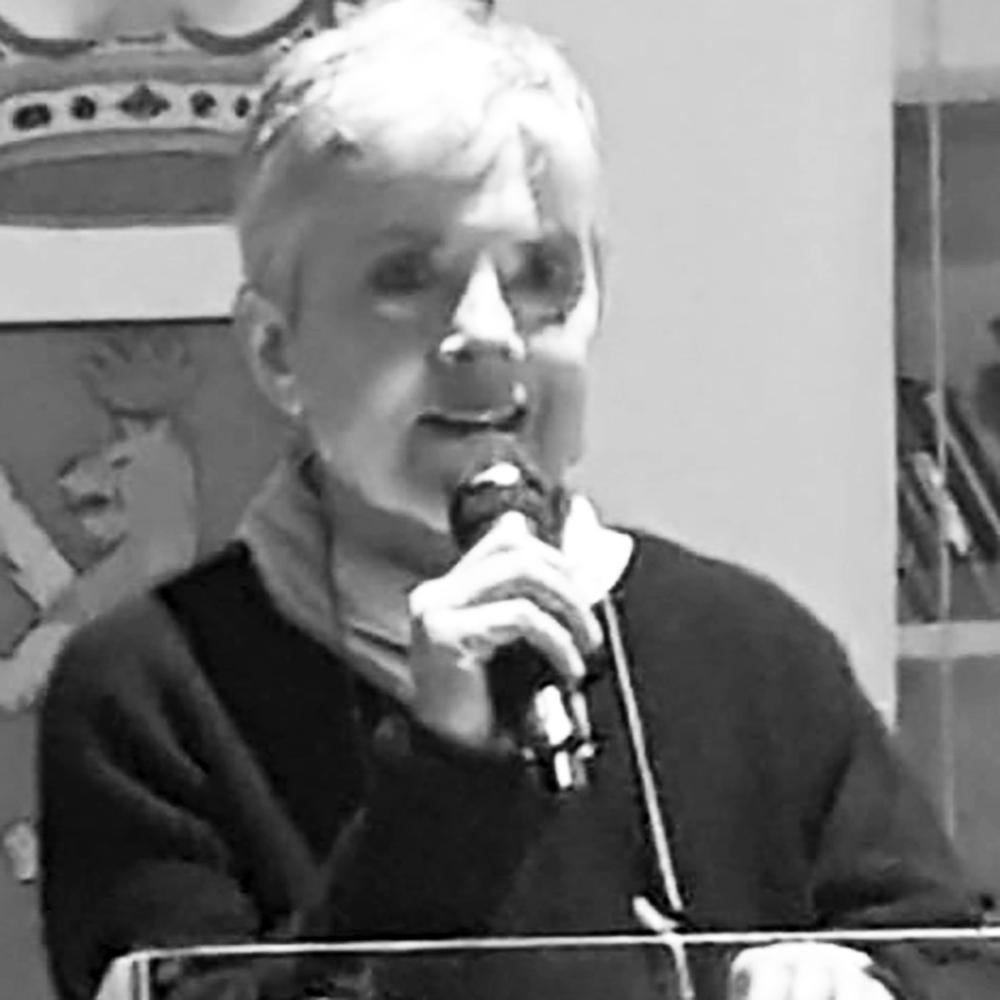
INSIDE AND OUTSIDE THE MEDITERRANEAN COAST. FORTIFICATIONS AS HISTORICAL NARRATIVE AND CONSERVATION CHALLENGE Prof. Donatella Fiorani In the Mediterranean and Europe, fortifications represent the expression of long-lasting networks of relationships and conflicts. Studying them allows us to understand their architectural and territorial nature from a synchronic and diachronic perspective. The former focuses more on defensive strategies and design and construction methods, while the latter focuses on socio-political and economic changes in the territory and typological and constructional transformations. Restoration must necessarily address both scenarios and is a formidable tool for discovery, as demonstrated by the interventions on two castles that are very distant from each other but particularly representative of both the technical and cultural link between the centre and the periphery and the influence that the loss of their defensive use has had on their current layout. |
|
EL PATRIMONIO FORTIFICADO. CÁDIZ Y EL CARIBE, UNA RELACIÓN TRANSATLÁTICA
Prof.a Pilar Chías Navarro
Universidad de Alcalá - Escuela de Arquitectura
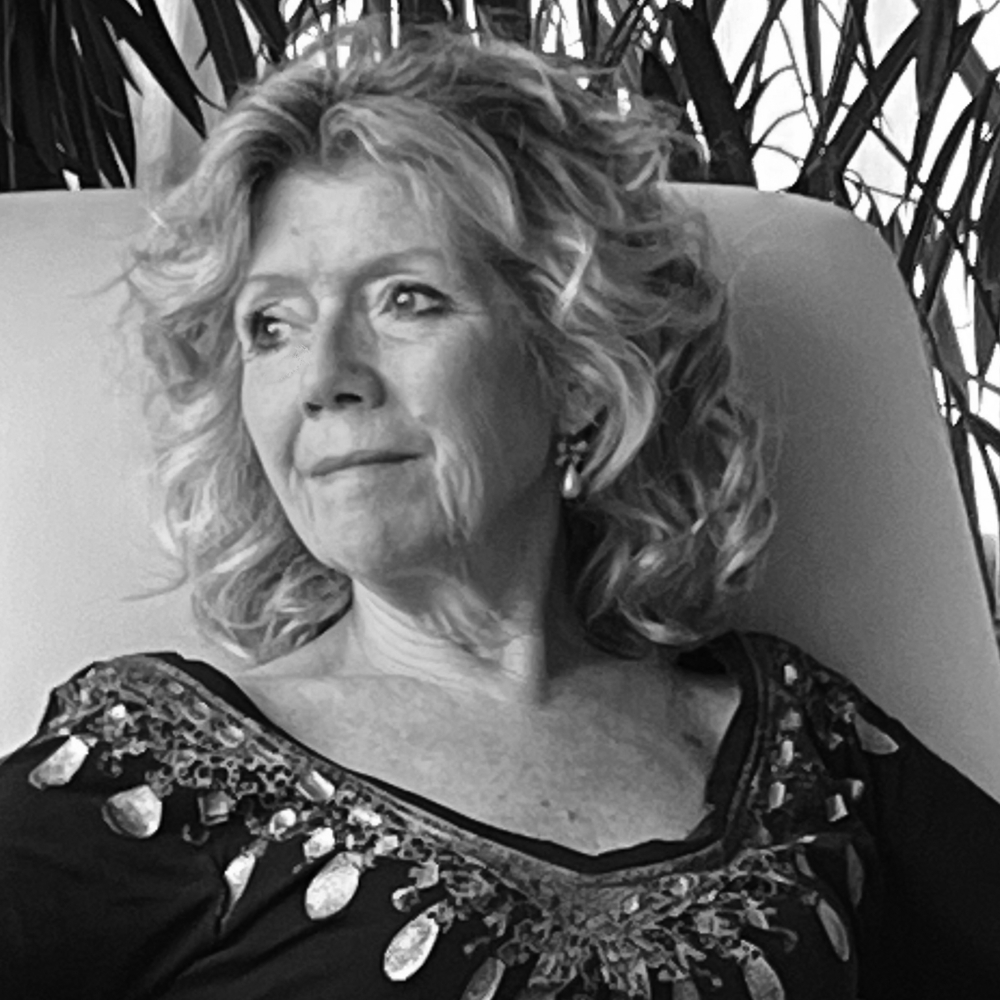
Entre 1492, el año en que Cristóbal Colón “descubrió” el continente americano, y 1898, cuando la Guerra de Cuba puso fin al dominio de la Corona de España sobre los territorios que formaban parte de ella en América, mediaron cuatrocientos años en los que se forjaron todo tipo de relaciones y de intercambios materiales e inmateriales. Entre ellos, el conocimiento teórico y la construcción de fortificaciones tuvieron un papel destacado y un desarrollo paralelo a la evolución del arte de la guerra, desafiando a la no menos devastadora acción de la naturaleza. En este contexto destacó la labor constante de los ingenieros, los arquitectos, los marinos y los exploradores españoles que asumieron los cambios y fueron construyendo el territorio y dejando simultáneamente un rastro material y documental gráfico y escrito excepcional. Entre Cádiz -el viejo puerto fenicio que sustituyó a Sevilla y a Sanlúcar de Barrameda en el origen de la Carrera de Indias- y las costas americanas, la ponencia propone un recorrido paralelo por el conjunto patrimonial construido y cartografiado cuya riqueza y densidad siguen siendo difícilmente igualables.
|
|
|
 Facebook
 Instagram
 LinkedIn
-
FORTMED 2025
-
FORTMED 2024
-
FORTMED 2023
-
FORTMED 2020
-
FORTMED 2018
-
FORTMED 2017
-
FORTMED 2016
-
FORTMED 2015
|

